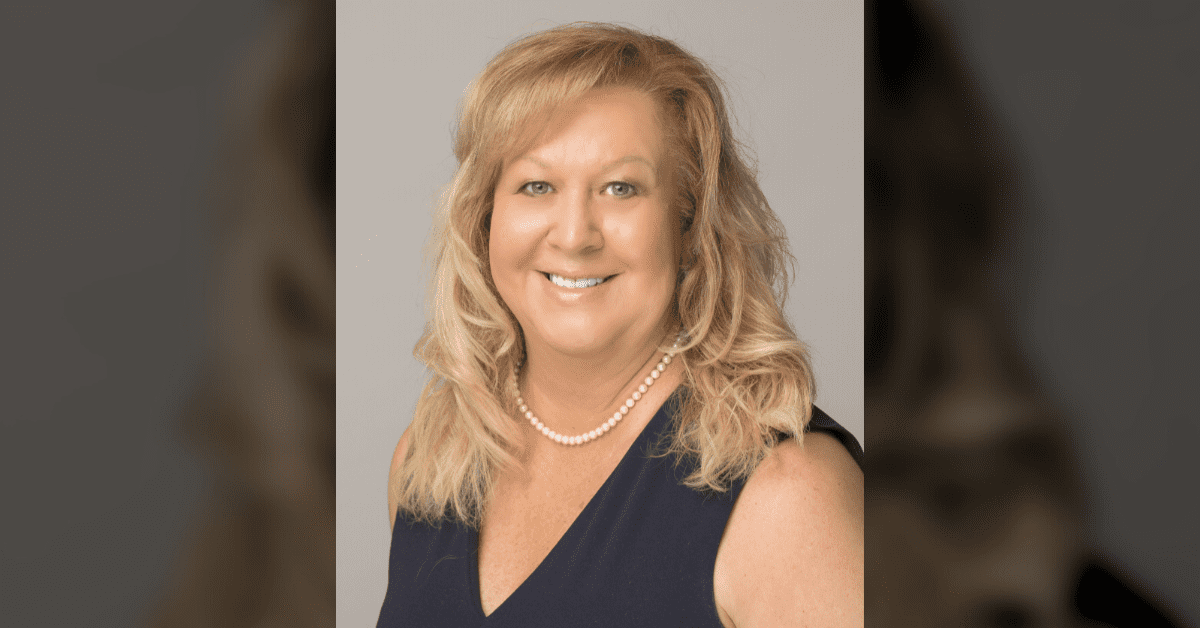
Starla Brown, AFP-MS State Director
- Starla Brown says Mississippi’s workforce has already adapted to the modern economy — now it’s time for state policies to catch up.
In the years since the COVID-19 pandemic, the American workforce has evolved considerably. That is especially true here in Mississippi. According to a report by Heartland Forward, Mississippi is one of the top four states with the “highest projected gig worker growth based on environmental factors and opportunity & competition.”
But it’s not just gig economy workers that are seeking out less traditional employment options. Increasingly, more and more Mississippians have embraced the flexibility and autonomy of independent work – from truckers and nurses to freelancers and contractors.
This is great news for a number of reasons. These types of jobs provide more flexibility to set your own hours, work from home, and negotiate your rates. It allows working parents to spend more time with their families, opens up more business opportunities for Mississippians, and leads to higher earning potential for all workers.
Unfortunately, even as our workforce has evolved, the traditional benefits system has lagged behind. The current benefits system is designed for a bygone era of employment, leaving these vital workers who want to seek out flexible opportunities without the safety nets provided by traditional employers.
This disadvantages a significant portion of our labor force, often forcing workers to choose between a stagnant job with stable benefits, or more interesting and fruitful ventures without the safety net. Fortunately, there is a simple, common-sense solution to this challenge: portable benefits.
Unlike traditional benefits tied to a single employer, portable benefits are voluntary, worker-owned accounts that travel with the individual, regardless of how or where they work. These accounts, which are managed by a third party, allow both workers and businesses to contribute – though contributions can be voluntary or prorated.
Imagine independent professionals having the power to save for health insurance, retirement, or paid leave, knowing those benefits remain theirs, even as they take on new projects or clients. This innovative approach empowers workers to build a secure future without sacrificing the flexibility and independence they value. It also enables businesses to create new ways to improve the lives of the independent professionals who provide services for them, strengthening those relationships without jeopardizing the self-employment status these workers value.
We need only look to our neighbors in Alabama and Tennessee for clear examples of how to advance and implement these policies. In 2025, both states enacted portable-benefit reforms. Tennessee passed the Voluntary Portable Benefit Plan Act, and Alabama approved the Portable Benefits Act, positioning the region as a leader in expanding flexible benefit options for independent workers.
Both of these bills harness free market solutions to create more competition, empower workers, and unleash economic independence. In Alabama, the law also allows tax deductions for the amounts businesses contribute to portable-benefit accounts, as well as an income-tax reduction for workers based on what they put in, providing parity with traditional employer-sponsored benefits.
By following their lead, Mississippi can attract talent, strengthen its small business economy, and demonstrate leadership in adapting to the modern workforce. Like our neighbors in Alabama and Tennessee, Mississippi lawmakers should pass legislation to offer voluntary portable benefits in the state without delay.
Instead, they reflect Mississippi values by empowering individuals, harnessing free market solutions, and rewarding hard work. Our workforce has already adapted to the modern economy — now it’s time for our policies to catch up.
By embracing voluntary portable benefits, Mississippi can ensure that every worker, no matter how they choose to earn a living, has the freedom and security to build a better future for themselves and their families.

Starla Brown