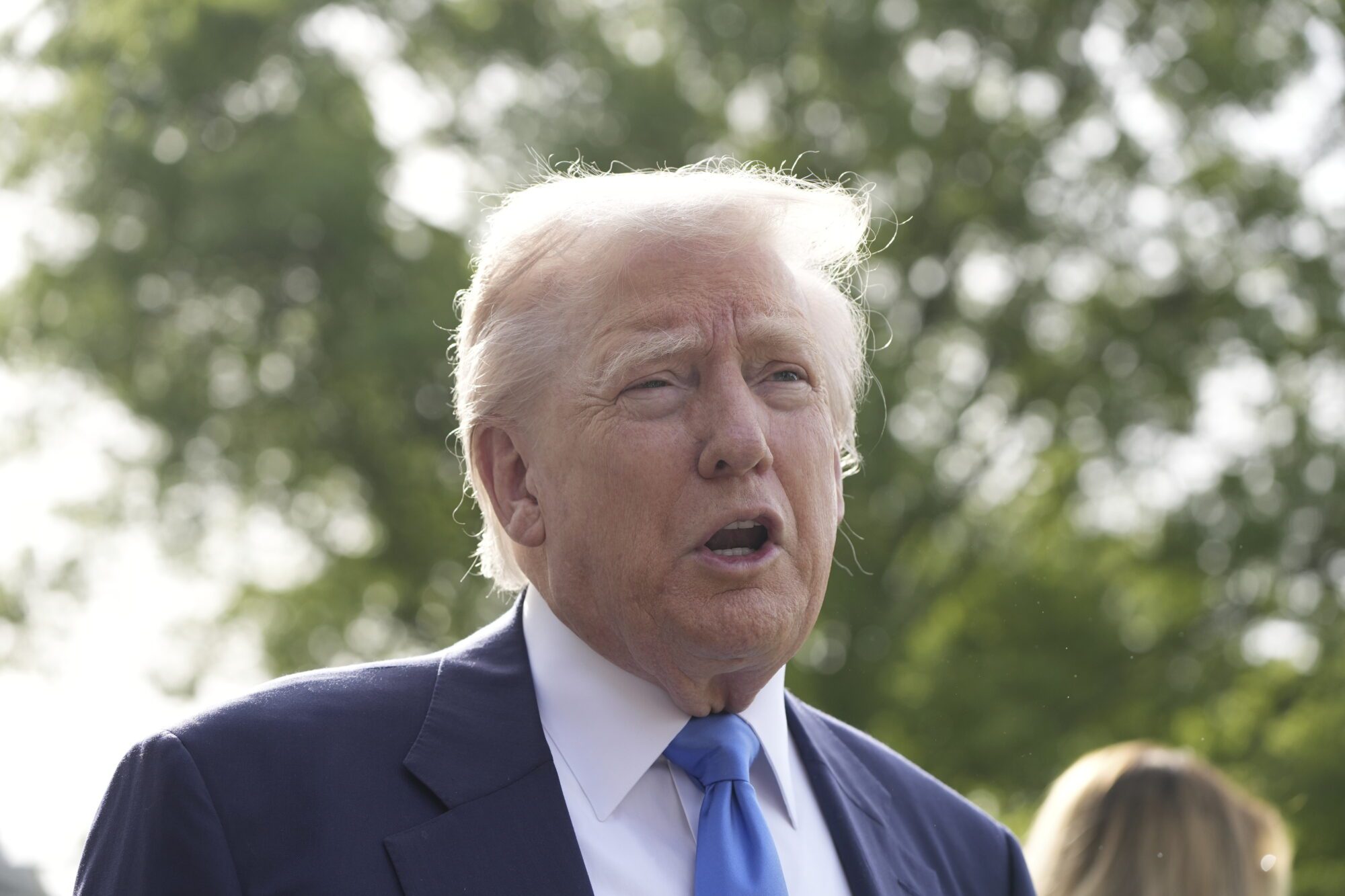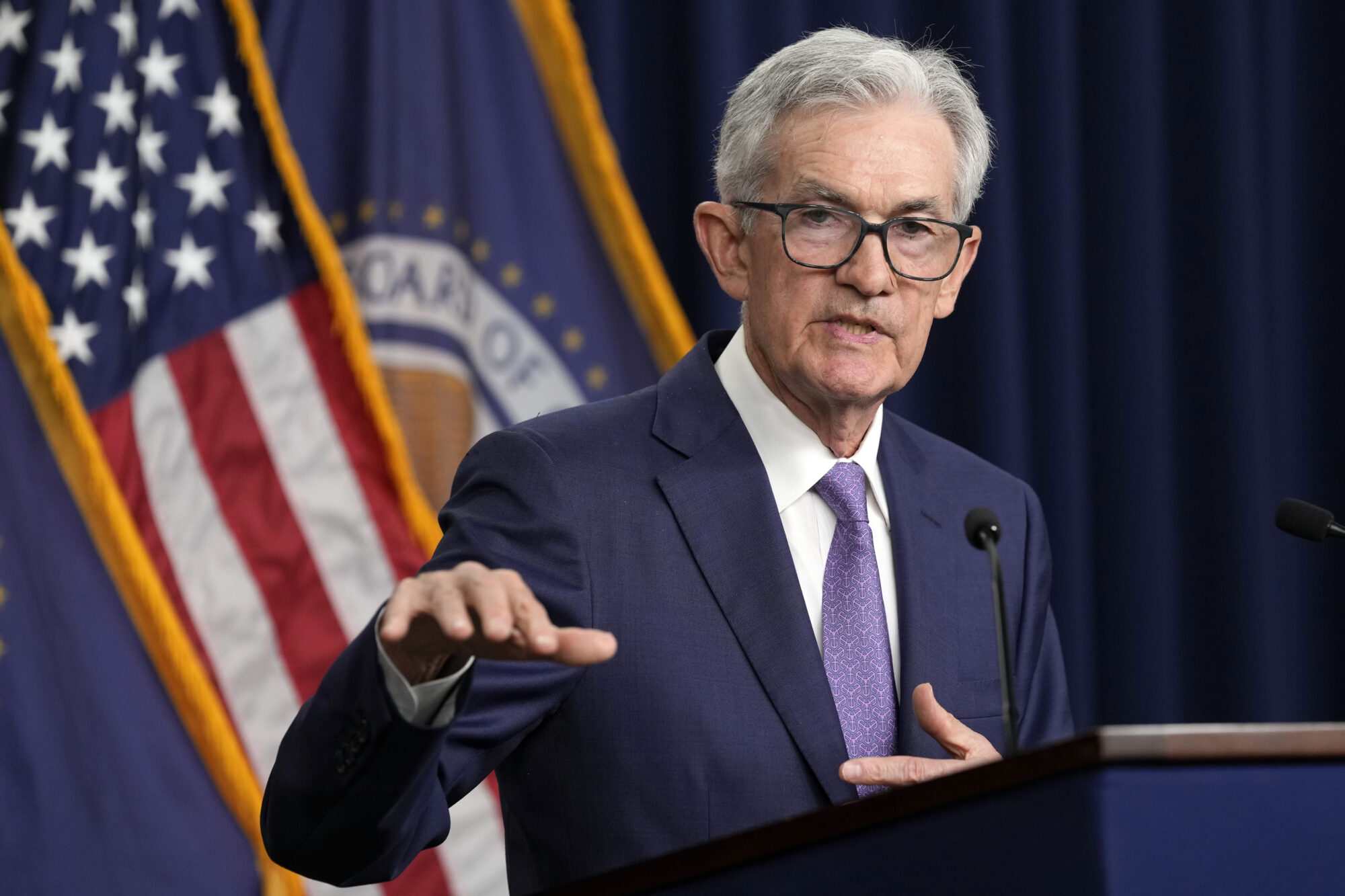
FILE - Federal Reserve Board Chair Jerome Powell, June 12, 2024. (AP Photo/Susan Walsh, File)
- The data likely eases the way to a widely expected interest rate cut by the central bank next week.
WASHINGTON (AP) — The Federal Reserve’s preferred measure of inflation changed little in September, likely easing the way to a widely expected interest rate cut by the central bank next week.
Prices rose 0.3% in September from August, the Commerce Department said Friday, in a report that was delayed five weeks by the government shutdown. It matched the increase recorded during the previous month. Excluding the volatile food and energy categories, core prices rose 0.2% in September from August, the same as August, and a pace that if it continued for a year would bring inflation closer to the Fed’s 2% target.
Compared with a year ago, overall prices rose 2.8%, up slightly from 2.7% in August. Core prices also rose 2.8% from a year earlier, a small decline from the previous month’s figure of 2.9%.
The data indicate that core inflation was muted in September and will bolster the case for a cut to the Fed’s key interest rate at its next meeting Dec. 9-10. Inflation remains above the central bank’s 2% target, partly because of President Donald Trump’s tariffs, but many Fed officials argue that weak hiring, modest economic growth, and slowing wage gains will steadily reduce price gains in the coming months.
At the same time, there were some warning signs in the figures. Omair Sharif, chief economist at Inflation Insights, said that Friday’s report overall will likely reassure the Fed that core inflation is mostly cool. But he noted that a measure of services inflation in the report remains elevated and could raise concerns among some Fed policymakers, since the higher figure doesn’t stem from tariffs, but instead broader inflationary pressures.
“It hasn’t really shown any sign of slowing down,” Sharif said. “That has to be concerning for them.”
The Fed is facing a tricky decision next week: It would typically keep rates high to fight inflation. At the same time, it is worried about weak hiring and a slowly rising unemployment rate. It hopes that reducing rates will spur more borrowing and boost the economy.
Friday’s report also showed that consumer spending grew, though at a slower monthly pace in September than the previous month, suggesting Americans were willing to spend despite high prices and stagnant hiring. Spending rose 0.3% in September, down from 0.5% in August.
More recently, Americans appeared to step up their spending on Black Friday and the weekend after Thanksgiving, which could boost growth in this year’s fourth quarter. Online spending jumped 7.7% during the five days after Thanksgiving, compared to the same period last year, according to Adobe Analytics.
Incomes, meanwhile, rose at a solid 0.4% in September for the second straight month.
The economy is sending unusually mixed signals, as growth appears solid even as the unemployment rate has ticked up to a four-year high of 4.4%. Home sales are moribund and factories have been cutting jobs, yet a boom in investment in artificial intelligence data centers has boosted the broader economy.
But on Wednesday, payroll processor ADP said that businesses shed 32,000 jobs in November, a sign that companies are starting to lay off workers. Should job cuts continue, consumers would likely rapidly dial back their shopping, weakening the economy.
The government will issue its own jobs report for November on December 16, which for now is forecast to show a small gain, according to data provider FactSet.